

Can sustainable style make you happy?
- Charlotte Garbutt
- Mar 17
- 5 min read

Updated: Mar 18
'Green' Sleeves: sustainable style and wellbeing

Ask me which industry I work in and if I'll tell you that I work in the wellbeing sector. With the core pillars of empathy, diversity and sustainability at the heart of my personal styling business, it's clear to me that transformEd styling by Charlotte is part of the wider wellbeing sector. I'm aware, however, that this alignment might not be obvious to everyone. My first article this week therefore takes a look at the link between 'greener' lifestyles and wellbeing - with a particular focus on dressing sustainably.
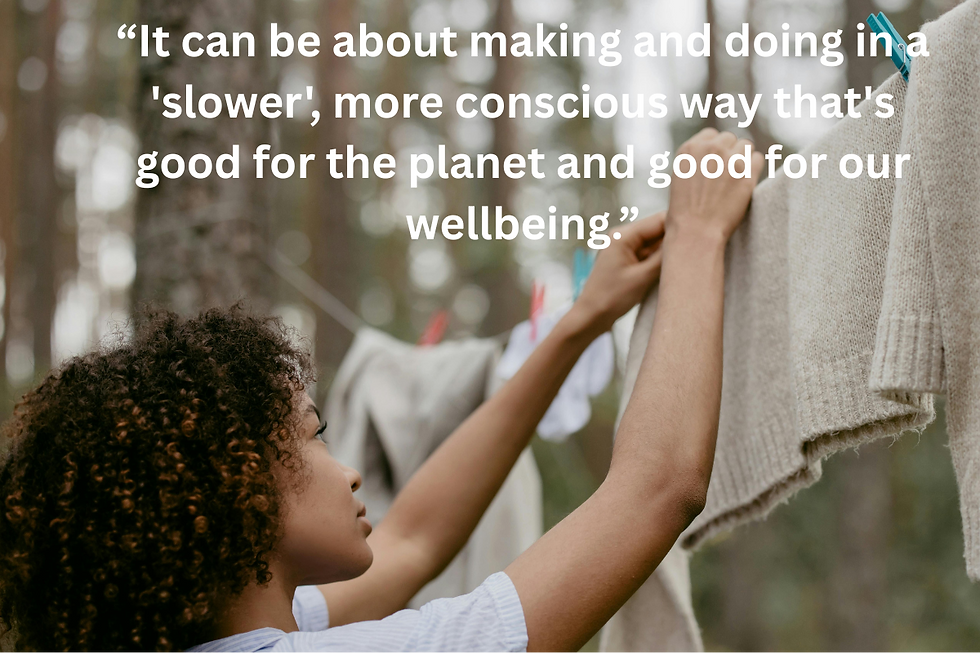
When I introduce myself as a personal stylist, some people will register the link to clothes and make the assumption that I work in the fashion industry. I beg to differ. Fashion has associations with temporary trends and with a fast-fashion, throwaway model. Linking my work to the fashion industry misses the point of the personal in personal styling. Personal styling is about finding styles and colours that are right for the individual, that help them express themselves through the way they dress. My passion for a more sustainable approach to the way we dress may also seem at odds with the concept of fashion. The origin of the word fashion, however, is simply the Latin word facere - the verb to make (or do). So whilst the whole mechanism of manufacturing lies behind the concept of fashion, making and doing doesn't necessarily have anything to do with fast fashion and its exploitation of garment workers or harm to the environment. It can be about making and doing in a 'slower', more conscious way that's good for the planet and good for our wellbeing.
Green is for Happiness
Donald Trump may have labelled environmentalists 'prophets of doom' and Greta Thunberg a troublemaker with anger-management problems, but studies suggest a strong link between ‘greener’ lifestyles and wellbeing. An academic study in 2022 for example explored participants’ sense of happiness and its relationship with environmentally-friendly behaviour. The researchers found that those engaging in pro-environmental behaviours had a greater sense of wellbeing. The link was evident in the least affluent nations as well as the wealthier. In the seven countries studied, the link between greener practices and happiness was not restricted to those on higher incomes.

Aspects of Wellbeing
But what specifically of fashion sustainability? To explore the link, the rest of this blog post takes a look at the various aspects of wellbeing to see how environmentally-friendly approaches to the way that we dress can contribute to our happiness.

Physical Wellbeing
It’s widely known that the cheap ‘fast’ fashion model is harmful to the environment, from pollutants in fertilisers, the use of toxic chemicals in manufacturing, microplastic pollution from domestic laundry practices and the creation of greenhouse gases from landfill.
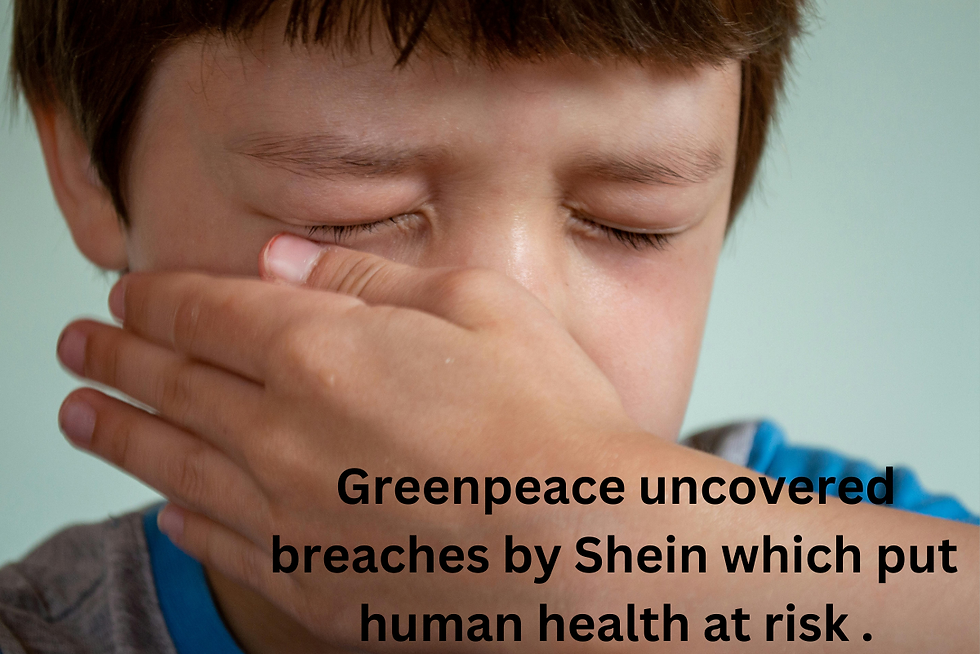
What is arguably less in the public consciousness is the threat to human health. And it's a threat not just to those who make our clothes but to consumers. Mass-produced, low-cost fast fashion garments are more likely to breach international toxin levels, meaning we can be wearing clothing harbouring hazardous chemicals. Dyes containing heavy metals, antimicrobial agents causing bacterial resistance and synthetic microplastics have been linked to dermatological infections, hormonal disruptions and even cancers. In recent months, Greenpeace uncovered breaches by ultra-fast-fashion brand Shein, which put human health at risk when toxins in their synthetic fabrics come into contact with human skin, through inhalation of chemicals, and with the added risk that young children might lick, suck or bite their clothing.
The answer? Buying and wearing natural fabrics is the healthier alternative for our physical health and wellbeing.
Social and Community Wellbeing

The study referred to above that looked into perceptions of happiness in 7000 people across seven countries found that whilst pro-environmental behaviours and wellbeing were linked, happiness indicators were even stronger in countries such as Brazil where people engage more in community-wide environmental actions like planting trees. This suggests that organising or engaging in community-based projects such as clothes swaps or sewing and repair workshops can be good for our wellbeing.
Emotional and Mental Wellbeing
When we buy from brands with an ultra-fast-fashion model, we may be aware of the risk such brands pose to the environment and to human health, and we may have heard about the exploitation of garment workers. This awareness can make us feel guilty about our fashion purchases which diminishes our delight in finding a bargain or fulfilling our 'need' for the latest micro-trend. The emotional dissonance created is psychologically stressful and detracts from our happiness.
Conversely, shopping mindfully in alignment with our values can lead to greater mental equilibrium, or basic peace of mind. Intentional and values-driven choices lead to greater satisfaction and a sense of wellbeing.

A second issue is that hyper fashion consumption can result not only in guilt but in an overly cluttered wardrobe which lacks cohesion and can cause overwhelm and decision fatigue when choosing outfits. Understanding your style and colour palette and basing clothing purchases on your own values - pressing pause before purchase - provides you with a curated wardrobe of old as well as new favourites.
Learning or using skills such as sewing on a button or shortening a hemline can also lead to satisfaction and pride - good for our wellbeing.
Financial Wellbeing
It's a myth that following a sustainable fashion approach is expensive and a luxury only afforded by the wealthy. If you can afford to buy from ethical, sustainable brands, the investment can pay off as clothes will last longer, but not everyone has the initial outlay to buy quality sustainable clothing. Instead, the following are just a few ideas for a low-budget sustainable wardrobe - enough to make any fashionista happy:

buy second hand from a charity shop or online; you'll find preloved garments on Vinted for less than the price of a first-class stamp;
go to clothes swap events or organise them yourself;
repair and customise clothes;
join sell-and-swap Facebook groups for brands you love;
wait for sales in your favourite sustainable brands;
look out for more affordable sustainable brands such as Earth Wardrobe;
consider whether you need to wash your clothes as often as you do so they last longer
and - most importantly - whatever the quality of your clothes, rewear them and keep rewearing them.
So how 'green' are your sleeves (and the rest of your outfit!)? Why not try a 'greener' action this week. It's good for your wellbeing!
References
For more content, sign up for my free weekly transformEd style magazine via the link below.
Why not take a look at my other blog posts?
Find me on my YouTube channel.


Comments